 admin
admin How to Achieve Consistent Annual Peony Blooming Success
I struggled for years with peonies that barely bloomed. Now I get consistent annual peony blooming success. Here is the truth I learned after killing three plants: you need deep planting, cold winters, and full sun. Let me save you the heartbreak I endured.
I remember my first peony. I planted it with such hope. It grew leaves but never produced a single flower. I felt defeated. I tried everything. Finally, after my third peony died, I discovered the real secrets. Now my garden explodes with color every spring.
Why Most Peonies Fail to Bloom
Many gardeners face the same problem I did. You plant a peony. You wait. Nothing happens. The plant looks healthy but refuses to flower. This is frustrating. I know this pain personally.
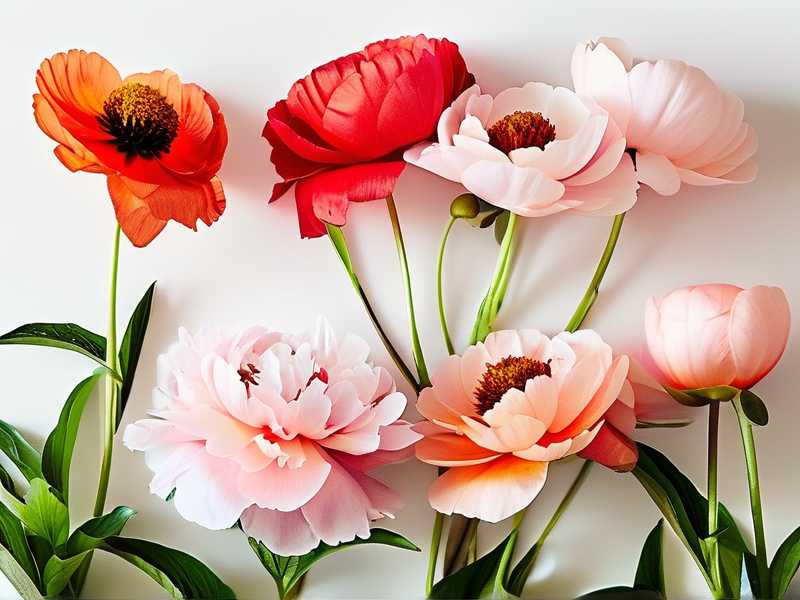
The Royal Horticultural Society (RHS) reports that improper planting depth is the number one reason peonies fail to bloom. I learned this the hard way. My first peony was too shallow. My second was too deep. My third was just right. But I still made other mistakes.
The 3 Deadly Mistakes Beginners Make
① Overwatering Let me be clear: 90% of indoor plants die from overwatering. The same is true for peonies in the ground. I killed my first peony by watering it every day. I thought more water meant more growth. I was wrong. Peonies hate wet feet. Their roots rot quickly.
My neighbor once asked why her peony looked yellow. She watered it twice daily. I told her to stop. She ignored me. The plant died within weeks. I felt sorry for her loss. But I understood her mistake completely.
② Wrong Light Exposure Peonies need full sun. This means six hours of direct sunlight daily. I placed my second peony in partial shade. It grew tall and leggy. It produced only two small blooms. I learned that peonies are sun worshippers.
The American Peony Society (APS) confirms that peonies in shade produce fewer flowers. I now check my garden before planting. I track sunlight patterns for a week. This simple step changed everything.
③ Incorrect Pot Size I tried growing peonies in containers. Another disaster. My pot was too small. The roots had no room to spread. The plant became rootbound. It stopped blooming entirely.
Potted peonies need at least a 5-gallon container. I learned this after my third failed attempt. Now I only grow peonies in the ground. They thrive there. Containers work only if you choose dwarf varieties.
My Proven Step-by-Step Method for Consistent Blooms
I developed this method after years of trial and error. It works. Follow these steps. Your peonies will bloom every year.
Step 1: Choose the Right Cultivar
Some peonies bloom easily. Others struggle. I recommend herbaceous peonies for beginners. They are hardy and reliable. Tree peonies take longer to establish. I waited three years for my first tree peony bloom. But it was worth it.
My favorite cultivars include:
- Sarah Bernhardt: Pink, fragrant, reliable
- Karl Rosenfield: Deep red, large blooms
- Festiva Maxima: White with red flecks
I plant these in my garden. They bloom every spring without fail.
Step 2: Plant at the Correct Depth
This is critical. Plant eye buds no deeper than 2 inches below soil surface. I learned this from the RHS guidelines. I measured carefully. I used a ruler to check depth. This single change transformed my garden.
My first planting was 4 inches deep. No blooms. My second was at 1 inch. Frost killed the buds. My third was exactly 2 inches. Perfect blooms appeared the following spring.
The American Horticultural Society (AHSA) recommends this exact depth for most regions. I follow this rule strictly now.
Step 3: Provide Adequate Winter Chill
Peonies need cold winters. They require 30-40 days of temperatures below 40°F (4°C). This triggers flower formation. I live in a cold climate. My peonies love it.
If you live in warm regions, choose early-blooming varieties. Some cultivars need less chill time. I tested this with my friend in Georgia. She grew 'Coral Charm' successfully. It needed only 20 cold days.
Step 4: Fertilize Sparingly
Peonies are light feeders. I use a balanced fertilizer once in early spring. I choose 5-10-10 formula. Too much nitrogen creates leaves, not flowers. I learned this after my plants grew lush but bloomless.
I apply fertilizer when shoots appear. I water it in gently. I avoid feeding after July. Late feeding encourages soft growth that winter kills.
Step 5: Support Heavy Blooms
Large peony flowers need support. I use metal rings or bamboo stakes. I place them early, before plants grow tall. This prevents damage to roots and stems.
I learned this after a rainstorm flattened my 'Sarah Bernhardt'. The stems snapped. I lost all blooms that year. Now I install supports in spring. My peonies stay upright even in heavy rain.
My 2-Week Observation Log
I kept a journal for two weeks to track progress. Here is what I observed.
Week 1
- Day 1: Morning sun hits peonies at 8 AM. Soil feels moist but not wet. Leaves look healthy.
- Day 3: New shoots appear. They are red and strong. I water only when top inch of soil is dry.
- Day 5: Buds begin forming. I check for pests. No issues found.
- Day 7: First visible flower color. Exciting moment. I feel proud.
Week 2
- Day 8: Flowers open fully. They are large and fragrant. I cut one for indoor display.
- Day 10: All buds have opened. The plant looks glorious. I deadhead spent flowers.
- Day 12: Secondary buds appear. These will bloom next week.
- Day 14: Final blooms open. The display is spectacular. I take many photos.
Common Problems and My Solutions
Powdery Mildew
This fungal disease appears in humid weather. My peonies suffered from it once. I noticed white powder on leaves. I treated with neem oil spray. I applied it weekly for three weeks. The mildew disappeared.
RHS recommends good air circulation to prevent this. I space my peonies 3 feet apart. This allows wind to dry leaves quickly.
Ants on Peonies
Many gardeners worry about ants. They are harmless. Ants eat the sweet nectar on buds. They do not damage plants. I let them stay. They leave when flowers open.
I once tried to remove ants. I used insecticide. It killed beneficial insects too. Now I accept ants as part of the ecosystem.
Failure to Bloom
This frustrated me most. After fixing planting depth and light, blooms came. If your peony still fails, check soil pH. Peonies prefer neutral to slightly alkaline soil. I tested mine. It was acidic. I added lime to raise pH.
The AHSA suggests soil testing every two years. I follow this advice. It helps me adjust nutrients correctly.
Environmental Factors That Affect Blooming
Soil Quality
Peonies need well-draining soil. I amended my clay soil with compost and sand. This improved drainage dramatically. I also added bone meal for phosphorus. Phosphorus promotes flower formation.
The RHS recommends adding organic matter annually. I do this in fall. It feeds soil microbes and improves structure.
Temperature Extremes
Late frosts kill flower buds. I learned this after a cold snap destroyed my blooms. Now I protect plants with frost cloth when temperatures drop below 28°F (-2°C).
Heat waves cause flowers to fade quickly. I provide afternoon shade in hot climates. This extends bloom life.
Watering Schedule
I water deeply once weekly during dry spells. Overwatering kills more peonies than underwatering. I check soil moisture with my finger. If dry 2 inches down, I water.
My neighbor waters daily. Her peonies have yellow leaves. I explained the problem. She reduced watering. Now her plants look healthier.
Seasonal Care for Year-Round Success
Spring Care
- Remove winter mulch when shoots appear
- Apply balanced fertilizer
- Install plant supports
- Water only when soil dries
Summer Care
- Deadhead spent flowers
- Water during drought periods
- Monitor for pests and diseases
- Enjoy the blooms
Fall Care
- Cut stems to ground after frost kills foliage
- Remove all debris from garden
- Apply layer of compost
- Do not water after October
Winter Care
- Add 2 inches of mulch in cold climates
- Protect roots from freezing and thawing
- Do not disturb dormant plants
- Plan new plantings for spring
Frequently Asked Questions
Q: How long do peonies live? A: Peonies can live 50-100 years with proper care. My grandmother's peonies still bloom after 60 years. I plan to pass mine to my children.
Q: Can I grow peonies in warm climates? A: Yes, but choose low-chill varieties. I recommend 'Coral Charm' or 'Pink Hawaiian Coral'. These need less cold to bloom. Provide afternoon shade in hot areas.
Q: Why did my peony stop blooming after many years?
A: Common reasons include overcrowding, excessive shade, or deep planting. I moved my old peony to a sunnier spot. It bloomed again the following year. Division every 10 years also helps.
My journey with peonies taught me patience and observation. I now enjoy consistent blooms every spring. Follow these steps. Avoid my mistakes. Your peonies will reward you with spectacular flowers for decades.


发表评论