 admin
admin The most common mistake I see with peony care is treating all phases the same. If you want healthy blooms, you need to adjust your care based on where your plant is in its cycle. The answer is simple: divide your year into three key phases—emergence, growth, and dormancy—and adapt watering, light exposure, and pot management for each. I learned this the hard way after killing my first peony.
My first failure and what I discovered
I remember buying my first peony from a local nursery. I was thrilled. I placed it in a ceramic pot, watered it every other day, and kept it on my balcony where it got direct afternoon sun. Within two weeks, the leaves turned yellow and drooped. The buds never opened.
I thought I was doing everything right. I was wrong.
After digging into the soil, I found mushy roots. Overwatering had suffocated them. I also realized the pot had no drainage holes. That was my first lesson: peonies hate wet feet.
It took me another two seasons to understand that bloom cycles dictate everything. The plant does not need the same care in winter as it does in spring. Once I mapped my care schedule around its natural rhythm, everything changed.
The three deadly mistakes beginners make
① Overwatering
90% of indoor plants die from overwatering. Peonies are especially sensitive. I used to water my peony three times a week. I thought more water meant more growth. Instead, the roots rotted and the plant collapsed.
The fix is simple: water only when the top two inches of soil are dry. Use a moisture meter if you are unsure. I bought one after my second failure and it saved my plant.
② Light misplacement
I once placed my peony in a shaded corner because I read that peonies like partial shade. That was a mistake. Peonies need at least 6 hours of direct sunlight during their growth phase. Without it, they become leggy and produce few flowers.
After moving my peony to a south-facing window, the difference was dramatic. The stems thickened and buds appeared within two weeks.
③ Wrong pot choice
I used a deep, narrow pot for my third peony. The roots could not spread properly, and water pooled at the bottom. The plant struggled every season.
Peonies need wide, shallow pots with drainage holes. I switched to a terracotta pot with a wide base, and the plant thrived. The soil dried evenly, and the roots had room to grow.
Understanding bloom cycles
Peonies go through three distinct phases each year. Each phase requires different care.
Spring emergence phase
This is when the plant wakes up. Red shoots appear from the soil. I usually see this in early March.
During this phase, I reduce watering to once a week. The soil should be moist but not soggy. I also move the pot to a location with morning sun and afternoon shade. Direct midday sun can scorch new growth.
I fertilize lightly with a balanced 10-10-10 fertilizer. Too much nitrogen leads to leafy growth but few flowers. I learned this after my third peony produced lush leaves but no blooms.
Active growth and bloom phase
This is the peak period from late spring to early summer. The plant focuses on producing buds and flowers.
Watering increases to twice a week. I check the soil moisture every time. If the top layer feels dry, I water deeply until it drains from the bottom.
Light is critical here. I give my peony at least 6 hours of direct sunlight. If the weather is hot, I provide afternoon shade to prevent wilting.
I also stake the stems. Heavy blooms can bend the branches. I use bamboo stakes and soft ties. This prevents breakage.
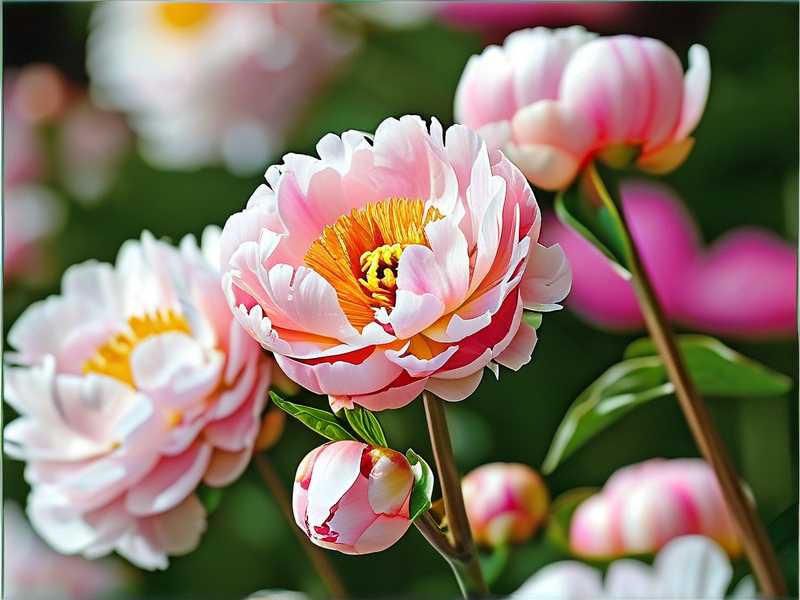
After two weeks of consistent care, I saw my first flower open. It was a pink double bloom. That moment made all my previous failures worth it.
Dormancy phase
After blooming ends, the plant enters dormancy. This usually starts in late summer or early fall.
I reduce watering to once every two weeks. The plant does not need much moisture during this time. Overwatering during dormancy is a common cause of root rot.
I stop fertilizing completely. The plant is resting. Adding nutrients can force unwanted growth.
I also cut back the stems to about two inches above the soil. This prevents disease and keeps the plant tidy.
Here is a care table summarizing the three phases:
| Phase | Watering | Light | Fertilizing |
|---|---|---|---|
| Spring emergence | Once a week | Morning sun, afternoon shade | Light 10-10-10 |
| Active growth | Twice a week | 6+ hours direct sun | None after buds appear |
| Dormancy | Every two weeks | Indirect light | Stop completely |
Extending bloom time
I discovered that different peony varieties bloom at different times. By planting early, mid, and late season varieties, I extended my bloom window to almost eight weeks.
Early season peonies like 'Sarah Bernhardt' bloom in late spring. Mid season varieties like 'Festiva Maxima' follow in early summer. Late season ones like 'Coral Charm' bloom in mid summer.
I stagger them in separate pots. This keeps my garden colorful for weeks.
How to handle deadheading
Deadheading is essential for continuous blooms. I remove spent flowers as soon as they fade. This directs energy to new buds instead of seed production.
I use clean scissors and cut just above a leaf node. This prevents disease and encourages more flowers.
One year, I neglected deadheading. The plant produced fewer blooms the following season. I never made that mistake again.
Observing two weeks of changes
I started a two-week observation with a struggling peony. On day one, I checked the soil. It was waterlogged. I repotted it into a terracotta pot with fresh, well-draining soil.
On day three, I placed it in a south-facing window. The leaves looked greener by day five.
On day seven, I watered only when the top two inches felt dry. By day ten, new shoots appeared.
On day fourteen, the plant looked healthy and vibrant. The buds were swelling. That experiment showed me how quickly a peony responds to proper care.
The role of soil and drainage
Soil choice is critical. I use a mix of garden soil, compost, and perlite. This provides drainage and nutrients.
I learned that heavy clay soil retains too much water. My first peony died in clay soil. After switching to a light, gritty mix, the roots stayed healthy.
The Royal Horticultural Society recommends soil with a pH between 6.5 and 7.5. I test my soil every spring to ensure it stays in that range.
Pests and diseases
Peonies are generally disease resistant, but I have dealt with powdery mildew. It appears as white powder on leaves. I treat it with a baking soda solution: one tablespoon per gallon of water.
Spraying every two weeks keeps it under control. I also improve air circulation by spacing pots apart.
Botrytis blight is another issue. It causes buds to rot before opening. I remove infected parts immediately and avoid overhead watering.
Winter preparation
In cold climates, peonies need winter protection. I wrap the pots in burlap and place them against a sheltered wall.
I also apply a layer of mulch over the soil. This insulates the roots from freezing temperatures.
If the pot is small, I move it to a cool garage. Temperatures between 30 and 40 degrees Fahrenheit are ideal for dormancy.
Transplanting and dividing
Peonies should be divided every four to five years. I divide mine in fall after dormancy starts.
I dig up the roots carefully. Each division should have at least three eyes. I replant them immediately in fresh soil.
Dividing rejuvenates the plant. After division, my peony produced larger blooms the following season.
What I learned from the American Horticultural Society
The AHS advises planting peonies at the correct depth. If the eyes are buried more than two inches deep, the plant will not bloom.
I made this mistake with my fourth peony. I planted it too deep. It grew leaves but no flowers. After digging it up and replanting it shallower, it bloomed the next year.
The AHS also recommends full sun for at least six hours daily. This is consistent with my experience.
Long-tail keywords to remember
- Peony care schedule by season
- Planning bloom cycles for peonies
- Indoor peony maintenance routine
- Seasonal peony watering guide
- Peony blooming phase tips
Three frequently asked questions
Q: How often should I water my peony during its active growth phase? Water twice a week or when the top two inches of soil are dry. Deep watering is better than frequent shallow watering.
Q: Why did my peony produce leaves but no flowers? The most common reasons are insufficient light, planting too deep, or too much nitrogen fertilizer. Ensure at least six hours of direct sun and plant the eyes no deeper than two inches.
Q: Can I grow peonies indoors year-round? Yes, but you must mimic outdoor cycles. Provide bright light during growth, reduce watering in winter, and give them a cool dormant period.
Planning your peony care schedule around bloom cycles changes everything. I wasted years guessing what my plants needed. Once I aligned my actions with their natural rhythm, my peonies became healthier and more beautiful every season. Start with the three phases, avoid the common mistakes, and your peonies will reward you with stunning blooms year after year.



发表评论