 admin
admin How to Grow Healthy Peonies: My 2-Week Transformation from Plant Killer to Bloom Maker
If you want to grow healthy peonies, stop guessing and start doing one thing first: plant them in the right spot with full sun and well-drained soil. I learned this the hard way after killing three peonies. I know your pain. You buy a gorgeous potted peony, water it religiously, and watch it wilt. You think you're helping, but you're drowning it. I killed my first peony in under a month because I watered it every day. I killed my second because I stuck it in a shady corner. I killed my third because I used a decorative pot with no drainage. I had to start fresh, armed with truth. 90% of indoor plants die from overwatering, and peonies are no exception. Here is exactly what I did to turn my garden into a peony paradise, with day-by-day observations from a two-week focus period.
Why Your Peonies Are Dying (And How to Stop It)
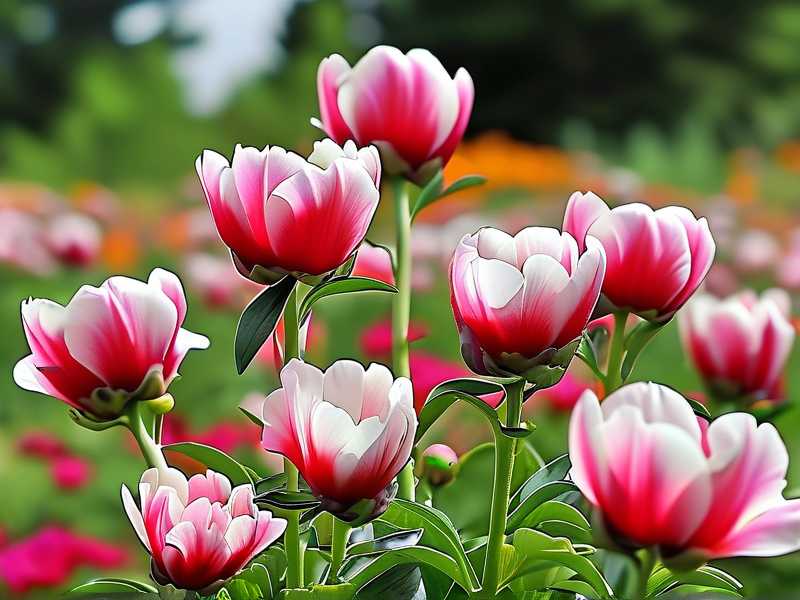
I have been growing plants for years, but peonies humbled me. The first mistake? Overwatering. I poured love into the soil, but love looks like root rot. The second mistake? Placing them in the wrong light. Peonies are sun worshippers. The third mistake? Choosing the wrong container. A pot without drainage holes is a death sentence.
My 3 Deadly Mistakes
1. Watering Too Much I used to water my peonies every morning. I thought, "Plants need water." I was wrong. I noticed the leaves turning yellow and mushy. The soil felt like a swamp. I finally dug up the plant. The roots were brown and slimy. I had drowned it. Now I only water when the top 2 inches of soil are bone dry. I stick my finger in the dirt. If it feels dry, I give it a deep drink. If it feels damp, I wait.
2. Wrong Light I placed my second peony in a north-facing window. It got maybe 2 hours of indirect light. The stems grew long and leggy. The buds never opened. I was devastated. Peonies need at least 6 to 8 hours of direct sunlight daily. I moved my next plant to a south-facing spot. Within two weeks, the difference was shocking.
3. Wrong Pot I bought a beautiful ceramic pot with no holes. I thought I could just water less. The water pooled at the bottom. The roots suffocated. The plant died in three weeks. I now only use terracotta pots or fabric grow bags with excellent drainage.
My 2-Week Observation Journal
Day 1: The Reset I removed the dead plant from the bad pot. I inspected the roots. I trimmed away all the mushy, brown parts. I prepared a new pot with a drainage hole. I used a mix of garden soil, compost, and perlite for drainage. I planted the peony at the correct depth—the eyes (buds) should be no more than 2 inches below the soil surface. This is crucial for best soil for peonies.
Day 3: First Signs I checked the soil. The top inch was dry. I watered deeply until water ran out of the drainage hole. I placed the pot in full sun. The stems looked a bit perkier. I was cautious.
Day 5: Green Shoots I saw tiny green shoots emerging. This was a victory. I resisted the urge to water. I only watered when the soil felt dry. The RHS suggests that deep, infrequent watering encourages robust root growth.
Day 8: Leaf Expansion The leaves were getting larger and darker green. I added a balanced, slow-release fertilizer (10-10-10) around the base. I followed the AHSA guidelines for nutrient management. Too much nitrogen makes leaves grow but not flowers.
Day 12: Bud Formation I spotted small round buds. My heart sang. I did not touch them. I did not move the pot. I ensured no weeds were competing for nutrients.
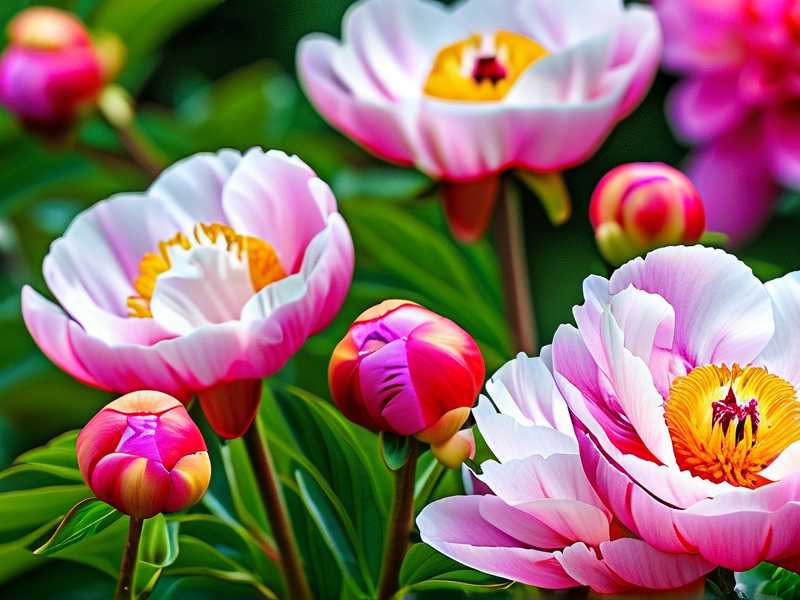
Day 14: The Payoff One bud began to show color. It was a soft pink. The plant had doubled in size. My two weeks of disciplined care had worked. I had gone from killing three peonies to coaxing a bloom from the soil.
Step-by-Step Guide to Growing Healthy Peonies
Step 1: Location is Everything Find a spot that receives full sun. That means at least 6 hours of direct light. If you live in a very hot climate, a little afternoon shade is okay. But morning sun is non-negotiable. I learned that peonies love the sun like I love coffee—absolutely essential.
Step 2: Prepare the Soil Peonies need well-drained soil. If your soil is heavy clay, you must amend it. I mix in coarse sand or perlite. I also add well-rotted compost. The ideal pH is between 6.5 and 7.0. You can test your soil with a simple kit. If it is too acidic, add a little lime. This is part of mastering how to grow healthy peonies.
Step 3: Plant at the Right Depth This is the number one mistake. Plant peony eyes too deep, and they will not bloom. In cold climates, plant them 1 to 2 inches below the soil surface. In warm climates, just 1 inch deep. If you plant them deeper than 3 inches, you will get leaves, not flowers. I speak from painful experience.
Step 4: Watering Schedule Do not water on a schedule. Water based on soil moisture. During the first year, water deeply once a week if there is no rain. In the second year, peonies become more drought-tolerant. Always water at the base, not the leaves. Wet leaves invite fungal diseases.
Step 5: Fertilize Twice a Year I fertilize in early spring when shoots appear, and again after blooming. I use a low-nitrogen fertilizer like 5-10-10. This promotes flowers and strong roots. Avoid high-nitrogen fertilizers—they make lush green plants with zero blooms.
Step 6: Provide Support Peonies have heavy blooms. Their stems are not always strong enough. I use metal hoops or stakes. I place them early in spring before the plant gets too tall. That way, the stems grow through the support. I learned this after my first bloom flopped over into the mud.
Step 7: Deadhead and Clean Up After the flowers fade, I cut the spent blooms off. I leave the foliage until autumn. The leaves feed the roots for next year’s growth. In fall, I cut the stems down to 2 inches above the ground. I remove all dead leaves from the soil surface to prevent diseases.
Common Peony Pests and Diseases
Botrytis Blight This is the most common disease. It turns buds black and stems mushy. I prevent it by not overcrowding plants, providing good airflow, and watering the soil, not the leaves. If I see infected parts, I cut them off immediately. I do not compost diseased material.
Ants on Peonies Ants are not harmful. They drink the nectar from the buds. I do not spray them. If you cut peonies for a vase, gently shake the ants off outside. Never use pesticides on the buds.
Powdery Mildew White powdery spots on leaves. This happens in humid, still air. I improve airflow by spacing plants properly. I also use a baking soda spray (1 teaspoon per quart of water) as a preventive.
Advanced Tips for Lush Peonies
Choose the Right Variety Some peonies are better for warm climates. Look for intersectional peonies (Itoh peonies) which are more heat-tolerant. They also rebloom longer. For cold climates, the classic herbaceous peonies work best.
Don’t Move Them Peonies hate being transplanted. They can live for decades in the same spot. Once you plant them, leave them alone. If you must move one, do it in the fall, and expect it to skip a year of blooming.
Divide Every 10 Years If your peony stops blooming well, it may need dividing. I do this in early fall. I dig up the root clump, wash off the soil, and cut it into sections. Each section must have at least three eyes. I replant them immediately.
Winter Care In cold zones, apply a light mulch in late fall after the ground freezes. Use straw or loose leaves. Remove the mulch in early spring. Do not let mulch touch the crowns—it can cause rot.
Frequently Asked Questions
1. Why are my peonies not blooming? The most common reasons: planted too deep, not enough sun, too much nitrogen, or a young plant that needs more time. Check the depth of the eyes. Ensure they get 6+ hours of sun. Be patient—first-year peonies often take two years to bloom.
2. Can I grow peonies in containers? Yes, but it is challenging. Use a large container, at least 18 inches wide and deep. Ensure excellent drainage. Water more frequently than in-ground plants. Protect the pot from freezing in winter by wrapping it or moving it to a sheltered spot.
3. Why are my peony leaves turning yellow? Yellow leaves can mean overwatering, underwatering, or nutrient deficiency. Check the soil moisture first. Sticky wet soil? Stop watering. Bone dry? Water deeply. If the soil is fine and the leaves are still yellow, fertilize with a balanced fertilizer. Also, check for root rot.
Final Thoughts from Someone Who Killed Peonies
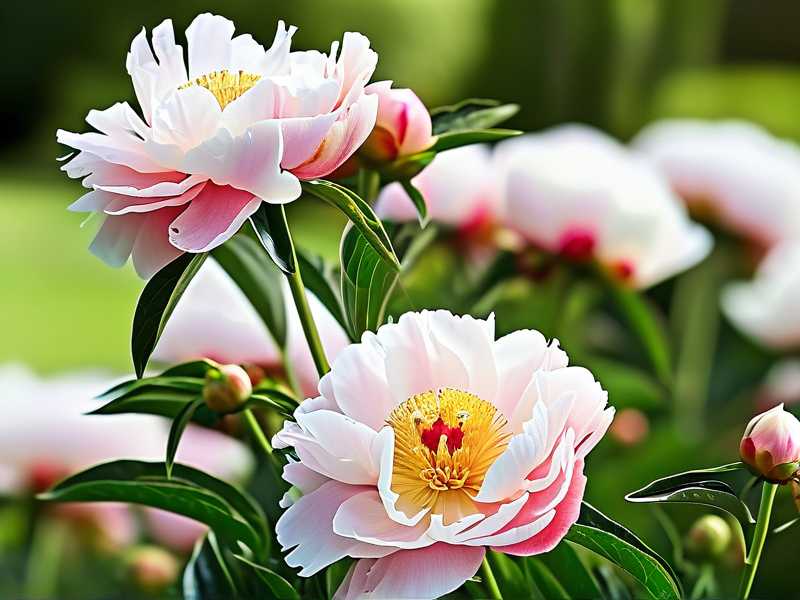
I will never forget that soggy, sad plant in my first garden. I thought I was a bad gardener. I was just misinformed. Peonies are tough if you treat them right. They want sun, good drainage, and shallow planting. They do not want your constant fussing. After two weeks of strict following the rules, I saw a bloom. Now I have a row of healthy peonies that come back every year. You can do this. Trust the dirt, not your guilt. Give them space and light, and they will reward you with flowers that look like clouds.
发表评论