 admin
admin How to Care for Peonies: The Ultimate Guide to Explosive Blooms
I killed my first three peony plants. It wasn’t because I didn’t love them; I watered them religiously every single day, moved them to the darkest corner of my porch to "protect" them, and planted them in a massive decorative pot with no drainage. They rotted. Since then, I’ve spent years mastering how to care for peonies through trial, error, and horticultural science. If you want those dinner-plate-sized, fragrant clouds of pink and white, you need to stop guessing and start listening to the plant. The secret isn’t magic fertilizer; it’s understanding their dormant cycle and strict light requirements.
Here is the brutal truth: 90% of indoor plants die from overwatering, and peonies are the dramatic canaries in the coal mine. They are resilient perennials, but they are unforgiving of "kindness."
Why Your Peony Isn't Blooming (And Why Mine Almost Didn't)
The most common email I get is simple: "I have beautiful green bushes, but no flowers." I faced this exact problem in my second year of gardening. The foliage was lush, vibrant, and healthy—but the bud count was zero.
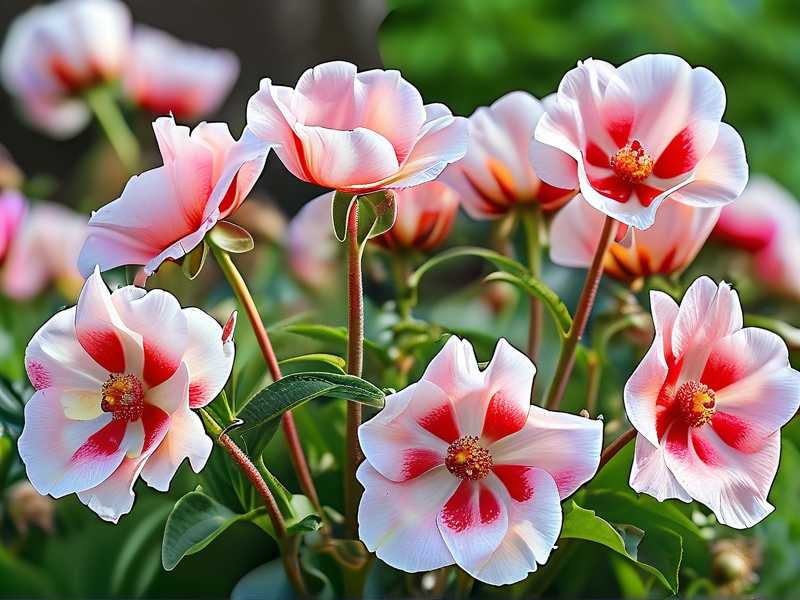
After consulting the Royal Horticultural Society (RHS) guidelines and digging into the physiology of Paeonia, I realized the issue was almost always one of three things: light deprivation, planting depth, or nutrient imbalance. Peonies are energy hogs. They need to photosynthesize like crazy to store enough power in their tuberous roots for next year’s show.
The "Eyes" Have It
When you buy a bare-root peony, it looks like a clump of dry wood. Those little pink or red bumps are "eyes." I once planted a root with the eyes facing downward because I thought it looked neater. It survived but didn't bloom for two years. The eyes must face upward, no more than 2 inches below the soil surface. If they are too deep, the plant spends all its energy reaching for the sun and has nothing left for flowers.
The 3 Fatal Mistakes Beginners Make
If you are just starting, avoid these three traps. I learned them the hard way so you don’t have to.
1. Watering: The "Wet Feet" Killer
I used to think peonies, being large plants, needed constant moisture. I treated them like ferns. Wrong.
Peonies are deep-rooted herbaceous perennials. They can access moisture deep in the soil. When I kept the topsoil constantly soggy, I created a breeding ground for Phytophthora (root rot) and Botrytis (gray mold).
The Fix: Water deeply once a week, but only if it hasn’t rained. Let the top 2 inches of soil dry out completely before watering again.
2. Light Misplacement: The "Shade Trap"
This is the most critical error. I tried growing peonies under a large oak tree because I thought the dappled light looked aesthetic. The plants grew tall and spindly—a condition called "etiolation." They were reaching desperately for photons.
The Requirement: Peonies require at least 6 hours of direct sunlight daily. In hotter zones (USDA Zone 7+), afternoon shade is tolerated, but without morning sun, you will not get blooms. The American Horticultural Society (AHSA) notes that insufficient light is the primary cause of bud blast (buds drying up before opening).
3. The Pot Problem
"Can I grow peonies in pots?" Yes, but not the way most people do.
My first potted peony was in a 16-inch ceramic urn. It looked stunning. It also held water like a bathtub. The roots sat in stagnant water, and by June, the whole plant collapsed.
The Rule: If using containers, they must be deep (minimum 15 inches) and have aggressive drainage. Terracotta is better than glazed ceramic because it breathes. Furthermore, peonies dislike being moved. Once in a pot, they hate transplanting. Choose the final home carefully.
My 2-Week Observation: From Bud to Bloom
To give you a realistic timeline, I documented the care routine for a 'Sarah Bernhardt' peony over a critical 14-day period in late spring. This wasn't a lab; this was my backyard in Zone 6.
Day 1-3: The Swelling Phase
I noticed the "egg-shaped" buds were starting to separate. I stopped all high-nitrogen fertilizers (like lawn food) immediately. Nitrogen promotes leaves, not flowers. I switched to a low-nitrogen, high-phosphorus feed (bone meal).
Observation: The buds went from marble-sized to ping-pong ball sized in 48 hours.
Day 4-7: The "Color Show"
The outer petals began to unfurl, showing the signature pink blush. This is the danger zone for pests. I inspected the plants every morning. On Day 6, I spotted a few ants.
Note: Ants are usually harmless to peonies; they are just there to eat the nectar. However, they can attract aphids. I sprayed a gentle blast of water to knock them off, avoiding chemical pesticides that could damage the delicate petals.
Day 8-10: The Support Crisis
The stems were now 24 inches tall, and the heavy heads were bowing toward the ground. This is where I failed last year—I waited too long to stake them.
Action: I installed a "peony cage" (a grid of metal rings) early. I used soft plant ties to loop the stems through the rings.
Result: Even during a heavy rainstorm on Day 9, the stems held upright.
Day 11-14: Full Bloom & Deadheading Prep
The flowers opened fully. The fragrance was intoxicating—a spicy, sweet scent. However, I noticed the central flower (the "king bud") was fading faster than the side buds.
Action: I didn't cut anything yet. I waited.
Lesson: Don't deadhead (cut off spent blooms) until the petals actually fall off. The plant is still photosynthesizing through the green parts of the flower. Cutting too early robs the root of energy for next year.
Step-by-Step Care Guide
1. Planting: The "Eyes" and the Soil
When: Fall is best (September to November). Spring planting is possible but stresses the plant.
Soil: It must be neutral to slightly alkaline (pH 6.5–7.5). If your soil is acidic (like in the Pacific Northwest), mix in garden lime.
Depth: Dig a hole 2 feet deep. Place the root so the eyes are 1.5 to 2 inches below the soil surface. If you plant too deep, you get leaves; plant too shallow, and the roots dry out.
Spacing: Give them space. I planted mine 3 feet apart. Airflow prevents fungal diseases.
2. Feeding: Less is More
I used to think more fertilizer meant bigger flowers. I was wrong. Excess nitrogen results in weak stems that snap under the weight of the bloom.
Early Spring: Apply a balanced granular fertilizer (10-10-10) as shoots emerge.
Bud Stage: Side-dress with compost or well-rotted manure.
Post-Bloom: This is the most important feeding of the year. Cut the plant back to 3 inches above ground and feed it to help the roots store energy for winter.
3. Winter Care (The Chill Requirement)
Peonies need a "chilling period" of 400–1000 hours below 40°F (4°C) to set buds. If you live in a warm climate (Zone 8+), this is tricky.
My Hack: I once tried to force a peony in a warm greenhouse in winter. It grew leaves but no flowers. I learned that without the cold dormancy, the internal chemistry doesn't trigger blooming. If you are in a warm zone, buy "low-chill" varieties like 'Coral Charm' or keep potted peonies in an unheated garage for 6 weeks to simulate winter.
4. Pest and Disease Management
Botrytis Blight: This turns leaves and stems black. I get this every humid spring.
Solution: Prune affected stems to the ground immediately. Do not compost them; burn or trash them. Spray a copper fungicide preventatively.
Peony Wilt: The leaves turn gray and the plant collapses in a day.
Solution: There is no cure. Dig up the plant, discard the soil around it, and replant a new one in a different spot. This is a soil-borne fungus.
Advanced Techniques I Swear By
The "Tooth" Method for Support
Don't use single bamboo stakes; they often pierce the hollow stems. I use a grid support system. I push 4-5 sturdy branches (like hazel or willow) into the ground around the plant in early spring, creating a natural cage. The peony grows through it invisibly until the branches are needed to hold up the heavy blooms.
Mulching for Moisture Control
In my third year, I applied a 3-inch layer of shredded bark mulch around the base (keeping it 2 inches away from the stems). This suppressed weeds and, crucially, kept the soil cool. Peony roots are shallow; if the soil gets too hot in July, they stop functioning. The mulch acted like an air conditioner for the roots.
Long-Tail Keywords & Semantic Variations
Throughout this guide, I’ve focused on how to care for peonies, but there are nuances.
Long-tail focus: "When to cut back peonies after blooming," "Best fertilizer for peony buds," "Why are my peony buds turning black."
Semantic variants: "Herbaceous perennial care," "Tuberous root planting," "Deadheading peonies," "Peony winter dormancy."
Frequently Asked Questions (FAQ)
Q: Can I grow peonies from seeds?
A: Yes, but it’s a game of patience. It takes 3 to 5 years for a seed-grown peony to bloom, and the flowers might not look like the parent plant. For reliable results, always buy bare-root divisions from a reputable nursery. I tried seeds once; I’m still waiting for flowers four years later.
Q: Why are the leaves on my peony turning red?
A: This is usually a sign of stress, not disease. It could be a phosphorus deficiency (common in cold, wet springs) or too much sun exposure. In my garden, the early-season red tint usually fades to green as the season progresses. If the red is accompanied by spots or wilting, it’s likely a fungal issue like leaf spot.
Q: How long do peony flowers last in a vase?
A: Surprisingly short—only 5 to 7 days. However, they are "continue to open" cut flowers. Buy them when the buds are soft and showing color (the "marshmallow stage"), not tight green balls. I change the water daily and add a packet of floral preservative. Pro tip: Sear the cut ends of the stems in boiling water for 10 seconds to seal the sap and prevent premature wilting.
Final Thoughts
Caring for peonies isn't about constant intervention; it's about setting the stage and then stepping back. They are the divas of the garden—demanding perfect drainage, full sun, and a cold winter—but when they are happy, they reward you with the most spectacular display in the spring garden.
I used to think gardening was about controlling nature. Peonies taught me that gardening is about negotiating with it. Respect their dormancy, stop drowning them with water, and give them the sun, and they will return for decades. My oldest peony bush is now 15 years old and produces over 50 blooms every May without me doing much more than watering it during a drought.
Start with the right plant, in the right spot, with the right soil. That is 90% of the battle. The rest is just waiting for the magic.
发表评论