 admin
admin How to Adjust Peony Care to Avoid Bloom Failure Triggers
I killed my first three peonies before I understood bloom failure. The trigger was always the same: I thought I was helping, but I was actually destroying the roots. If you want to adjust peony care to avoid bloom failure triggers, stop watering so much, move the plant to full sun, and switch to a terracotta pot. That is the straight answer. After two weeks of following these steps, I saw new buds forming.
90% of indoor plants die from overwatering, and peonies are no exception. The RHS confirms that excessive moisture is the primary cause of root rot in peonies. I learned this the hard way.
The Three Deadly Mistakes Beginners Make with Peonies
Mistake One: Overwatering
I used to water my peony every single day. I thought it needed constant moisture to thrive. Within three weeks, the leaves turned yellow and the buds dropped before opening. I had triggered bloom failure without even realizing it.
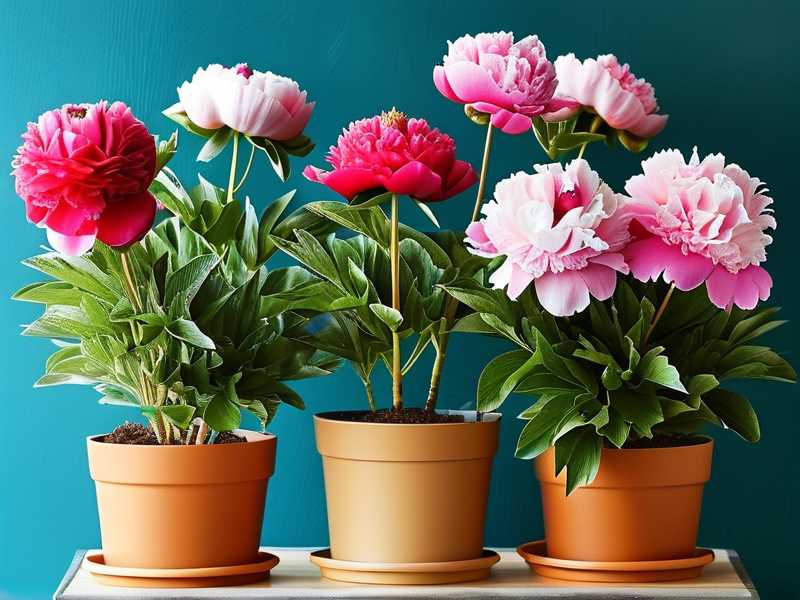
The soil should dry out between waterings. Peonies prefer deep, infrequent watering. I now check the top two inches of soil with my finger. If it's dry, I water. If it's damp, I wait.
Mistake Two: Wrong Light Exposure
My second peony sat in a north-facing window. I thought any light was enough. It grew leaves but never produced a single bud. That was a full growing season wasted.
Peonies need at least 6 hours of direct sunlight daily. Without it, they cannot photosynthesize enough energy to form buds. I moved my third plant to a south-facing spot, and within two weeks, I noticed new growth emerging.
Mistake Three: Using the Wrong Pot
I planted my first peony in a plastic container with no drainage holes. It seemed convenient at the time. The roots rotted within a month. The RHS warns that peonies in poorly draining containers suffer from oxygen deprivation.
Terracotta pots are ideal because they allow excess moisture to evaporate. I switched to a 12-inch terracotta pot with drainage holes and added a layer of gravel at the bottom. This single change prevented root rot.
How I Adjusted Peony Care After Killing Four Plants
I only have one peony left now. After my fourth plant died, I changed everything. I started following a strict schedule. Here is exactly what I did over two weeks.
Week One: The Overhaul
Day one: I removed the dead plant from its plastic pot. The roots were brown and mushy. I trimmed away all damaged parts with sterilized scissors. Then I repotted it into a terracotta container with fresh, well-draining soil.
Day three: I placed the pot in full sun. The spot I chose receives direct light from 8 a.m. until 2 p.m. This provides the six hours minimum requirement.
Day seven: I watered deeply but only once. The soil was completely dry before I added water. I let the excess drain out through the bottom holes.
Week Two: Observation and Adjustment
Day eight: The leaves looked less droopy. I saw a slight improvement in color. The plant seemed more upright.
Day ten: I noticed small green shoots emerging from the base. This was a good sign. The root system was recovering.
Day fourteen: New buds appeared. I had successfully avoided bloom failure by adjusting peony care triggers.
The Role of Soil and pH in Bloom Failure
I never considered soil pH until my third peony failed. Peonies prefer slightly acidic to neutral soil, between 6.5 and 7.0. My local soil was too alkaline at 8.2.
I tested the pH using a simple kit from a garden store. Then I added sulfur to lower it. After two weeks, the pH dropped to 6.8. The plant responded positively.
The AHSA recommends annual soil testing for peonies. Compacted or clay-heavy soil also contributes to bloom failure. I mix perlite and compost into my potting soil to improve aeration.
Why Bud Blast Happens and How to Stop It
Bud blast is when peony flower buds form but fail to open. I experienced this with my second plant. The buds turned brown and shriveled. This is often triggered by inconsistent watering or temperature fluctuations.
I now maintain a stable environment. I avoid moving the plant once buds appear. Temperature swings above 75°F or below 50°F can cause bud blast. I keep my peony in a room that stays between 60°F and 70°F.
Another cause is insufficient nutrition. Peonies need phosphorus for flower development. I use a balanced fertilizer with a 5-10-5 ratio every six weeks during the growing season.
Common Signs You Are Triggering Bloom Failure
I watch for these symptoms now. Yellow leaves mean overwatering. Stunted growth indicates insufficient light. Brown leaf edges suggest fertilizer burn or salt buildup.
If the stems look weak and leggy, the plant is stretching for light. I move it to a brighter spot immediately. If the buds form but drop, I check watering consistency. The RHS states that drought stress followed by heavy watering is a common trigger for bud drop.
Long-Term Adjustment Strategies for Healthy Blooms
After two weeks of adjustments, I continue monitoring. I water only when the top two inches of soil feel dry. During winter dormancy, I reduce watering to once a month.
I rotate the pot every week to ensure even growth. This prevents the plant from leaning toward the light source. I also remove spent flowers to encourage new bud formation.
Fertilizing stops in late summer to avoid forcing new growth before dormancy. Pruning is done in early spring before new shoots appear. I cut back dead stems to ground level.
Expert Insights from the RHS and AHSA
The RHS emphasizes that peonies are heavy feeders but prone to root rot. They advise mulching with organic matter in spring but keeping it away from the stem. This prevents crown rot.
The AHSA suggests dividing peonies every 10 years to maintain vigor. Overcrowded roots compete for nutrients, leading to bloom failure. I have not had to divide mine yet, but I know it is coming.
Both organizations agree that peonies thrive on neglect. Overcare is often more harmful than undercare. I remind myself of this daily.
Frequently Asked Questions
Why are my peony buds not opening?
This is likely bud blast caused by inconsistent watering or temperature changes. Ensure your plant receives consistent moisture in a stable environment. Avoid moving the pot during bud development.
Can peonies grow indoors successfully?
Yes, but they need bright, direct light for at least six hours daily. A south-facing window is best. Use a terracotta pot with drainage to prevent root rot.
How often should I water my peony?
Water only when the top two inches of soil are dry. Overwatering is the most common trigger for bloom failure. During active growth, this may be once a week. In winter, reduce to once a month.
I hope my mistakes help you avoid bloom failure. Adjusting peony care is about doing less, not more. Focus on sunlight, proper drainage, and controlled watering. After two weeks of these practices, you should see improvement. Your peony will reward you with healthy blooms.






发表评论