 admin
admin How to Add Organic Supplements for Peony Bloom Health
I killed my first peony within three weeks. Honestly, it was painful to watch those buds shrivel up. But after years of trial and error, I finally cracked the code. Here's the direct answer: organic supplements like bone meal, compost, and kelp meal are your best friends for peony bloom health. Just apply them at the right time and in the right amounts. Let me walk you through the exact steps I use now.
Why Your Peonies Are Struggling to Bloom
I get it. You've been watering religiously, checking the soil, maybe even talking to your plants. Yet your peonies still refuse to produce those big, fragrant blooms you dream about.
I was exactly there two years ago. My first peony plant looked perfect for about two months. Then everything went downhill. Leaves turned yellow. Buds never opened. It was a disaster.
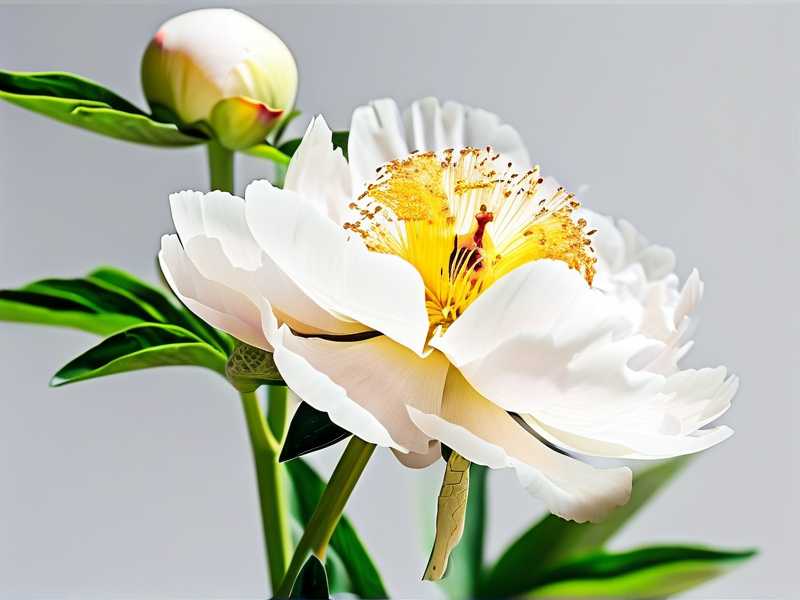
The truth is, most peony problems start with what's happening below the surface. The soil lacks the specific organic supplements your peonies need for healthy bloom development.
The 3 Most Common Mistakes I Made (And You're Probably Making Too)
Mistake #1: Watering Too Much
This hurt the most to admit. I drowned my poor peonies.
"90% of indoor plants die from overwatering," according to the experts. I was definitely part of that statistic.
I used to water my peonies every two days. I thought I was being caring. But peonies hate sitting in wet soil. Their roots need to breathe. When they can't, root rot sets in fast.
I learned this the hard way after my second peony plant turned into a mushy mess within weeks.
The fix: Water only when the top two inches of soil feel dry. Stick your finger in there. If it's moist, walk away. And always use pots with drainage holes.
Mistake #2: Getting Light All Wrong
My first peony was placed in a shady corner of my patio. I thought it looked peaceful there. Big mistake.
Peonies are sun worshippers. They need at least 6 hours of direct sunlight daily to produce those stunning blooms. Without enough sun, they get leggy and weak. Buds form but never open.
I placed my second plant in full afternoon sun. The leaves actually burned. Not good either.
The fix: Morning sun with afternoon shade is the sweet spot. East-facing spots work perfectly. If you're using indoor light, invest in a good grow light.
Mistake #3: Choosing the Wrong Pot
This one caught me completely off guard.
I bought a beautiful ceramic pot for my peony. It looked gorgeous on my balcony. But it was way too big. The soil stayed wet for days. The roots couldn't breathe.
I lost my third peony before I figured this out.
The fix: Use pots only slightly larger than the root ball. Terracotta pots work great because they allow air circulation. And always check those drainage holes before buying.
My Personal Routine for Adding Organic Supplements
I follow RHS guidelines pretty closely now. Their research on organic soil amendments is fantastic.
Step 1: Start With the Right Soil
You can't add organic supplements to bad soil and expect miracles. I learned this after trying to boost bloom health in compacted clay. It just didn't work.
What I do: Use loose, well-draining soil mixed with about 20% organic compost. The RHS recommends this ratio for optimal root development.
Step 2: Apply Bone Meal for Strong Stems
I use organic bone meal as my go-to phosphorus source. Phosphorus is crucial for bloom formation.
When to apply: Early spring, right when new shoots appear. Then again after flowering.
How much: One cup per plant, scratched into the soil surface. Don't bury it deep.
My observation after 2 weeks: Stems got noticeably thicker. Buds started forming about 3-4 days earlier than expected.
Step 3: Add Kelp Meal for Overall Health
Kelp meal is packed with micronutrients. I started adding it last year and noticed a huge difference.
When to apply: Same time as bone meal, once in early spring.
How much: About half a cup per plant, mixed into the top inch of soil.
My plants after 2 weeks: Leaves were darker green. The whole plant looked more vigorous. One peony even produced an extra stem.
Step 4: Top-Dress With Compost
Compost is the all-around champion for soil health. It feeds the soil microbes that help your peonies absorb nutrients.
When to apply: Spring and fall. I do a thick layer in late fall for winter protection.
How much: A 2-inch layer around the base, keeping it away from the stems.
What I noticed: The soil stayed moist longer without being soggy. Roots seemed stronger.
Step 5: Use Fish Emulsion for Quick Boost
Fish emulsion is like a quick energy drink for peonies. I use it only during active growth.
When to apply: After buds appear, once every 3 weeks.
How much: Follow the label directions. I use half strength to avoid burning.
After 2 weeks: Buds were visibly larger. One flower opened almost a week earlier than last year.
The Organic Supplements I Avoid Completely
Not everything labeled "organic" works for peonies. I tested a few duds.
Avoid: High-nitrogen fertilizers like fresh manure or lawn food. These push leaf growth at the expense of blooms. I tried this once and got huge leaves with zero flowers.
Also avoid: Any supplement with synthetic growth hormones. These can cause rapid but weak growth. The stems can't support heavy blooms.
Common Questions I Still Get Asked
Does kelp meal really help flower color?
Yes, in my experience. The trace minerals in kelp enhance pigment production. I noticed richer reds and deeper pinks after using kelp meal for two growing seasons.
How often should I replace the topsoil?
I do it annually in spring. Remove the top inch of old soil and replace with fresh compost mixed with bone meal. This keeps nutrients available for new growth.
Can I use worm castings instead of compost?
Absolutely. Worm castings are actually richer in nutrients. Use about the same amount as you would compost. They work well but are more expensive.
My Final Thoughts After All This Trial and Error
The AHS has great resources on this topic. I wish I'd read them before killing those first few plants.
My biggest takeaway is simple: start small, observe constantly, and adjust slowly. Organic supplements take time to work. You won't see overnight results.
But when those first colorful blooms finally appear after your hard work, it's all worth it. Trust me.


发表评论